FlemingClans.com

"The Fleming Clan of Scotland: a genealogical history" - coming in late 2026!
Person Page 785
James ("Lord Bothwell") Hepburn, 4th Earl Bothwell and 1st Duke Orkney
b. 1534, d. 14 April 1578
Person Exhibits
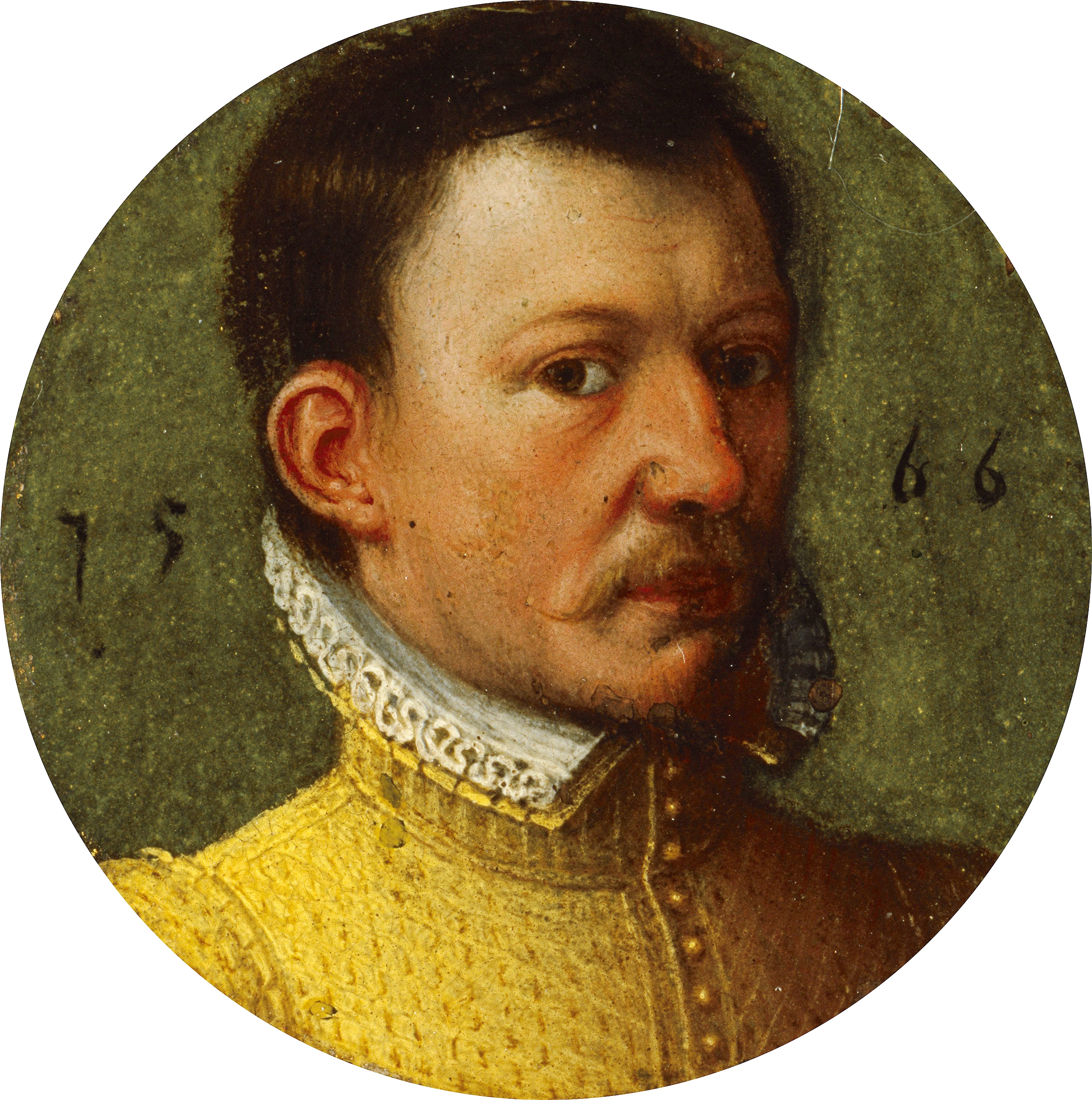
Lord Bothwell
Birth
James ("Lord Bothwell") Hepburn, 4th Earl Bothwell and 1st Duke Orkney, was born in 1534.1
Family life
James ("Lord Bothwell") Hepburn, 4th Earl Bothwell and 1st Duke Orkney, and Mary Stewart, Queen of Scots, were married on 24 April 1567 at Dunbarton Castle in Dunbarton. On 24 April, while Mary was on the road from Linlithgow Palace to Edinburgh, Bothwell suddenly appeared with 800 men. He assured her that danger awaited her in Edinburgh, and told her that he proposed to take her to his castle at Dunbar, out of harm's way. She agreed to accompany him and arrived at Dunbar at midnight. There, Mary was taken prisoner by Bothwell and allegedly raped by him to secure marriage to her and the crown (though whether she was his accomplice or his unwilling victim remains a controversial issue). On 12 May the Queen created him Duke of Orkney and Marquess of Fife at Holyrood.[8]
On 15 May they were married in the Great Hall at Holyrood, according to Protestant rites officiated by Adam Bothwell, Bishop of Orkney and John Craig.[9] Mary was married in mourning clothes,[10] described as "dule weed".[11] According to William Drury, an English commander at Berwick, there were only a few witnesses who heard a sermon the palace's chamber of presence. The French ambassador, Philibert du Croc did not attend the Duke's creation or the wedding.[12] Mary gave her new husband a fur lined night-gown.[13] There were few festivities until two weeks after the wedding, when there was a triumph and tilt and Bothwell "ran at the ring" at Leith.[14][15]
Originally, Mary believed that many nobles supported her marriage, but relations quickly soured between the newly elevated Bothwell (created Duke of Orkney) and his former peers and the marriage proved to be deeply unpopular. Catholics considered the marriage unlawful since they did not recognise Bothwell's divorce or the validity of the Protestant service. Both Protestants and Catholics were shocked that Mary should marry the man accused of murdering her husband.[138] The marriage was tempestuous, and Mary became despondent.[139]1
On 15 May they were married in the Great Hall at Holyrood, according to Protestant rites officiated by Adam Bothwell, Bishop of Orkney and John Craig.[9] Mary was married in mourning clothes,[10] described as "dule weed".[11] According to William Drury, an English commander at Berwick, there were only a few witnesses who heard a sermon the palace's chamber of presence. The French ambassador, Philibert du Croc did not attend the Duke's creation or the wedding.[12] Mary gave her new husband a fur lined night-gown.[13] There were few festivities until two weeks after the wedding, when there was a triumph and tilt and Bothwell "ran at the ring" at Leith.[14][15]
Originally, Mary believed that many nobles supported her marriage, but relations quickly soured between the newly elevated Bothwell (created Duke of Orkney) and his former peers and the marriage proved to be deeply unpopular. Catholics considered the marriage unlawful since they did not recognise Bothwell's divorce or the validity of the Protestant service. Both Protestants and Catholics were shocked that Mary should marry the man accused of murdering her husband.[138] The marriage was tempestuous, and Mary became despondent.[139]1
Partner with Mary Stewart, Queen of Scots, (b. 8 December 1542, d. 8 February 1587)
Working life
Death
James ("Lord Bothwell") Hepburn, 4th Earl Bothwell and 1st Duke Orkney, died on 14 April 1578 at age ~44 in Dragsholm Castle, Copenhagen. He was imprisoned at Dragsholm Castle, 75 kilometres (47 mi) west of Copenhagen, and was held in what were said to be appalling conditions. Meanwhile, the Parliament of Scotland officially stripped him of all his Scottish titles, including the Dukedom of Orkney, in December 1567. He died in April 1578,[21][23] and was buried in a vault at Fårevejle church near the castle.
A pillar to which he was chained for the last ten years of his life can still be seen, with a circular groove in the floor around the pillar.1
A pillar to which he was chained for the last ten years of his life can still be seen, with a circular groove in the floor around the pillar.1
Citations
- [S2] Various contributors, Various contributors, "Wikipaedia," database, Commons, Wikipaedia (https://en.wikipedia.org/wiki/: accessed ), ., viewed; 26 April 2025; James Hepburn, 4th Earl of Bothwell at https://en.wikipedia.org/wiki/James_Hepburn,_4th_Earl_of_Bothwell#Death

- [S28] Sir James Balfour Paul, The Scots Peerage, vol viii, Fleming Earl of Wigtown pages 519 - 558
- [S2] Various contributors, Various contributors, "Wikipaedia," database, Commons, Wikipaedia (https://en.wikipedia.org/wiki/: accessed ), ., online; 11 November 2023; John Fleming, 5th Lord Fleming at https://en.wikipedia.org/wiki/John_Fleming,_5th_Lord_Fleming
- [S83] George Vere Irving, The upper ward of Lanarkshire described and delineated, vol i, p 322
- [S2] Various contributors, Various contributors, "Wikipaedia," database, Commons, Wikipaedia (https://en.wikipedia.org/wiki/: accessed ), ., viewed; 27 April 2025; Ainslie Tavern Bond at https://en.wikipedia.org/wiki/Ainslie_Tavern_Bond
- [S121] A McDonald and others, Miscellany of the Maitland Club, vol ii, p 396
- [S81] Joseph Irving, The History of Dumbartonshire, p 117
- [S5] William Hunter, Biggar and the House of Fleming, p 534
| Last Edited | 26 April 2025 |