FlemingClans.com

"The Fleming Clan of Scotland: a genealogical history" - coming in late 2026!
Person Page 263
Sir David ("the Trustworthy") Fleming, of Biggar, Lenzie and Cumbernauld
b. circa 1328, d. 14 February 1406
Person Exhibits
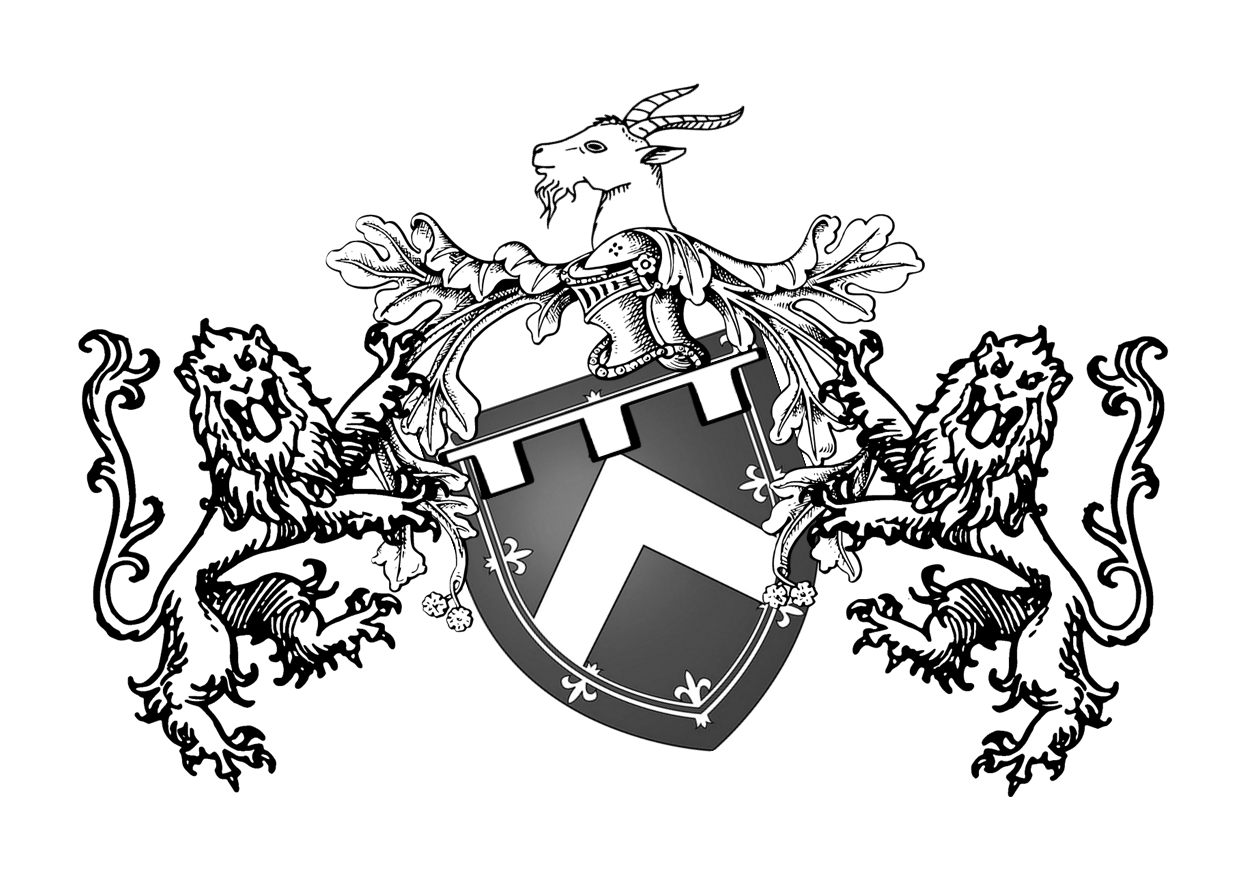
1392 David

Birth
Sir David ("the Trustworthy") Fleming, of Biggar, Lenzie and Cumbernauld, was born circa 1328 in Biggar, Argyll, Scotland, United Kingdom.1
Parents
| Father | Malcolm ("the Reliable") Fleming, of Biggar (b. circa 1310, d. after 1395) |
| Mother | Christian, de Carric (b. circa 1308) |
Family life
Sir David ("the Trustworthy") Fleming, of Biggar, Lenzie and Cumbernauld, and Margaret ("Jean") Barclay were married circa 1350.1 He and Isobel de Strathechin, heiress of Monycabock, were married circa 1371. Monycabock may have been Isobel's dowry because Sir David Fleming was to let it to Alexander Stewart (Earl of Mar) in 1405, more than twenty years before Isobel's brother Geoffrey died. She would not have become Monycabock's heiress until after her brother's (apparently childless) death.1,2
Children with Margaret ("Jean") Barclay (b. circa 1330, d. circa 1370)
| Daughter | Janet Fleming+ (b. circa 1351, d. 1430) |
| Daughter | Marion Fleming+ (b. circa 1367) |
Children with Isobel de Strathechin, heiress of Monycabock, (b. circa 1340)
| Son | Sir Malcolm ("the Unfortunate") Fleming, of Cumbernauld+ (b. circa 1372, d. 28 November 1440) |
| Son | David Fleming, of Boghall+ (b. circa 1380) |
Working life
- On 1 May 1343 Sir David ("the Trustworthy") Fleming, of Biggar, Lenzie and Cumbernauld, was occupied as militibus in Aberdeen.3,4
- In 1357 Sir David ("the Trustworthy") Fleming, of Biggar, Lenzie and Cumbernauld, was occupied as milite, when he witnessed a charter to John Gray of Broxmouth, of the lands of Craigy.5
- In 1358 Sir David ("the Trustworthy") Fleming, of Biggar, Lenzie and Cumbernauld, was occupied as militibus and one of the auditors of the accounts of the Sheriff of Aberdeen.6
- In 1359 Sir David ("the Trustworthy") Fleming, of Biggar, Lenzie and Cumbernauld, was occupied as was released from the King's command.7
- In 1362 Sir David ("the Trustworthy") Fleming, of Biggar, Lenzie and Cumbernauld, was occupied as knight bachelor to the king, for which he was assigned certain annual rents. In this charter he was described by the king as "our chosen and faithful bachelor". This would mean that he was a knight bachelor in the king's employ.8,9
- On 9 October 1363 Sir David ("the Trustworthy") Fleming, of Biggar, Lenzie and Cumbernauld, was occupied as militibus.10
- On 27 October 1363 Sir David ("the Trustworthy") Fleming, of Biggar, Lenzie and Cumbernauld, was occupied as knight bachelor to King David II. David was described as his beloved and faithful bachelor (a young or junior knight). A knight fighting under another's banner was called a knight bachelor while a knight fighting under his own banner was a knight banneret.11,12
- On 10 December 1363 Sir David ("the Trustworthy") Fleming, of Biggar, Lenzie and Cumbernauld, was occupied as chevalier.13
- In 1365 Sir David ("the Trustworthy") Fleming, of Biggar, Lenzie and Cumbernauld, was occupied as knight.14
- In 1369 Sir David ("the Trustworthy") Fleming, of Biggar, Lenzie and Cumbernauld, was occupied as was appointed by Parliament as one of the Judicial Committee.15
- He served in the military as distinguished himself at the battle of Otterburn on 5 August 1388 in Otterburn. Hunter p 479 -
In 1388, he accompanied Douglas in the expedition to England which terminated in the Battle of Otterburn, so much celebrated in our annals, as one of the most chivalrous encounters that ever took place between the inhabitants of the two kingdoms. Froissart, who obtained his information from persons on both sides who bad taken part in the battle, states in his Chronicles, that of all the battles that he had mentioned, Otterburn was the bravest and the best contested; for every knight and squire acquitted himself nobly, doing well his duty, and fighting hand to hand without either stay or faint-heartedness. Sir David Fleming, or, as the monks of Holyrood used to call him, " Davie Fleming of Biggar," came out of the encounter at Otterburn with no small reputation for bravery and martial prowess. It was most likely as a reward for his gallant services that he obtained from Robert II. grants of various lands and sums of money.1,9 - In 1399 Sir David ("the Trustworthy") Fleming, of Biggar, Lenzie and Cumbernauld, was occupied as Deputy Chamberlain of Scotland. He was paid 66/13/4.16,17
- In 1401 Sir David ("the Trustworthy") Fleming, of Biggar, Lenzie and Cumbernauld, was occupied as Chamberlain of Scotland. Hunter -
Sir David occasionally acted as deputy for the Lord Chamberlain, the Duke of Albany18,19,20 - In 1403 Sir David ("the Trustworthy") Fleming, of Biggar, Lenzie and Cumbernauld, was occupied as auditor of the accounts for the burgh of Edinburgh.21,15,22,23
- In 1403 Sir David ("the Trustworthy") Fleming, of Biggar, Lenzie and Cumbernauld, was occupied as auditor of Scotland's accounts.24,15,19,25
- On 23 May 1404 Sir David ("the Trustworthy") Fleming, of Biggar, Lenzie and Cumbernauld, was occupied as was tasked by the king to treat with the King of England Henry IV about the redemption of the Earls of Fife and Douglas prisoners after the battle of Homildon in Northumberland. Nisbet's Heraldry p 257 - https://archive.org/details/systemofheraldry02nisb/page/256/mode/2up?q=fleming. Negotiations were going on between Scotland and England for peace, and for the liberation from captivity of Sir Murdach Stewart and the Earl of Douglas. Sir David Fleming of Cumbernauld, a knight in the King's confidence, was employed in two successive embassies to England for this purpose, for which two payments of £150 each occur in the accounts audited in 1405 and 1406. On the later mission he received the oath of the King of England to observe a truce which had been concluded between the two countries.
Hunter -0
He was one of the chief parties that concluded a truce with England at the town of Pontefract in 1404, and received L.150 to defray the expenses of his journey.26,27,21,1,28,29,30,19 - In August 1404 Sir David ("the Trustworthy") Fleming, of Biggar, Lenzie and Cumbernauld, was occupied as was sent as Ambassador with a letter to King Henry and to confer on certain matters in England.30
- In 1405 Sir David ("the Trustworthy") Fleming, of Biggar, Lenzie and Cumbernauld, was occupied as deputy Lord Chamberlain vice the Duke of Albany. Lanarkshire - He appears occasionally to have acted as deputy for the Duke of Albany, the Lord Chamberlain, as the latter, while rendering his accounts in 1405, stated ''that he had not charged himself with the dues of the Ayres, south of Forth, as these had been intromitted with by Sir David Fleming, and not accounted for" 15
- On 10 August 1405 Sir David ("the Trustworthy") Fleming, of Biggar, Lenzie and Cumbernauld, was occupied as sheriff in Roxburgh. Lanarkshire - He was in addition invested with the office of Sheriff of the lastnamed shire, " by reason of the recognition by disposition of Isabel Countess of Marr, to Archibald Earl of Douglas" (Mobertson's Index, 140, 26; 143, 97; 146, 34; 148, 26).31,32,33,34,15,35,1
Property
Sir David ("the Trustworthy") Fleming, of Biggar, Lenzie and Cumbernauld, possessed had a charter from King David II for one annual fourth of the thanage of Meikle Morphie in Kincardine, with the lands of Dorshan and West Park of Kincardine CA 1348–1371 in Meikle Morphie.36,37 He possessed was granted a pension of 20 merks plus 100 shillings by Kind David II on 27 October 1363.11,38,12 He possessed was brought to the marriage by his wife circa 1370 in Monycabock (later Newmachar), Aberdeenshire.1,39 He possessed had an indenture setting out his agreement with the burgh of Montrose over property boundaries on 10 April 1375 in Hedderwick.4041,42 He possessed had a charter of King Robert III to receive fifty pounds rent annually from the monastery of the Holy Cross in Edinburgh for use of land at Kars in the sheriffdom of Striveline on 14 March 1390 in Kars.43,44,45,15,46 He possessed had a charter of King Robert III that clarified that his income from Holyrood Abbey's land of Kerse was 70 pounds annually on 5 April 1390 in Kerse.47 He possessed had a charter of the lands of Wodland and Meiklegall in the Barony of Monycabo, Aberdeen after 1390 at Barony of Monycabo, Aberdeen, in Wodland and Meiklegall.48,49,9 He possessed recieved these lands on the resignation of Christian of Brogan, an infected leper, wife of John of Allan and sister and heir of Henry of Brogan, Laird of Auchloun between 27 August 1392 and 28 August 1392 in Auchloun.50,51 He possessed had a confirmation charter from King Robert III for 10 pounds annually from the barony of Kars on 7 March 1393.52 He possessed the King confirmed the lands of Kerse and others in the hands of Holyrood Abbey on 14 June 1393 in Kerse.53 He possessed had a charter of King Robert III to receive sixty pounds rent annually from the monastery of the Holy Cross in Edinburgh for use of land at Kars in the sheriffdom of Striveline on 5 April 1394 in Kerse.44,54,9 He possessed signed a charter with Holyrood Abbey in relation to the barony of Kers between 1395 and 1406 in Kerse.55 He possessed had a charter from David Moore of Abercorn of the Forest of Torwood in Stirlingshire on 4 August 1398 in Forest of Torwood in Stirlingshire.56,57 He possessed gave the lands of Mureton to the monks of Cambuskenneth Abbey, with the consent of his son and heir Malcolm circa 1399 in Mureton.19,1 He possessed had a charter from William Auldstone of Cambusbarron and Blair Regis in Stirling on 10 May 1399 in Cambusbarron and Blair Regis in Stirling.58,59,9 He possessed had a charter from King Robert III confirming his grant of a mortification of his lands of Drumtiblae to the chapel at Kirkintilloch on 17 August 1399 at Dunbartonshire in Drumtiblae.60,61,62,63,64,65 He possessed granted a charter to Hollyrood Abbey for donations of 20 merks, 5 merks and an annual rent of 10 pounds for prayer, singing, repairs and a glass window with his arms on 25 November 1399 in Holyrood Abbey.66,67,68,19,1 He possessed resigned Cambusbarron in favour of John Ross of Halkhead circa 1400 in Cambusbarron.69,70,7141,72,73 He possessed had a charter of confirmation of the lands of Auchlan in the barony of Kinnedward, Aberdeen on 1 May 1401 at Barony of Kinnedward in Auchloun.74,75,9,76 He possessed was granted by King Robert III the penny land of Barbethe, Caslis, Galnethe and Glentall (parish of Stratoun) in the Earldom of Carrick on 24 August 1404 at Barony of Straiton, Ayrshire, in Barbethe.77,78,79,9,1 He possessed was granted a charter by King Robert II of the land and barony of Cavers in Roxburgh on 10 August 1405 at Roxburghshire in Cavers.31,32,33,80,34,35,9,1 He possessed granted to Alexander Stewart Earl of Mar (in exchange for him quitting his pretences to Cavers) an indenture granting him use of Monecabo during the life of Sir David's wife Isobell on 24 August 1405 in Monycabock (later Newmachar), Aberdeenshire.81,82
Death
Sir David ("the Trustworthy") Fleming, of Biggar, Lenzie and Cumbernauld, died murdered by forces of James earl Douglas on 14 February 1406 at age ~78 in Longherdmanston. One of the suggestions made in the course of these negotiations was that the Percies should be surrendered as an equivalent for the two Scottish prisoners; and Northumberland, secretly warned by Fleming of what was in contemplation, succeeded in making his escape to Wales. Fleming had to answer with his life for the friendly hint given to Northumberland. He was one of the knights chosen by the King to escort James to his ship, and on his return he was waylaid and slaughtered at Longhermandston by James Douglas, a son of the Earl whose liberation he had thwarted. This seems to have occurred on the 14th February 1405-6, and the King to have been captured on the 13th March following, though the dates given are discrepant and inconsistent. In an account audited 18th March 1405-6, Fleming is called " dominus quondam David Flemyng."
Wyntoun -
A THOUSAND and foure hundyr yere And the fifft to tha but were, Oure Lord the King of Scotland, The Thrid Eobarte than regnand, Be preye* counsele and ordinance Deliverit to send his sone in Fraunce, James his neraste lauchful ayre, Oure Lord, oure Prynce, than plesand and faire Of al his sonnys thare wes nane Livand than, bot he allane. Schir Davy Flemyng of Cumbirnald Lord, a knycht stout and bald, Trowit and luvit wel wyth the King, Oure Prynce resavit in his keiping: And wyth this lord than als sa fast Throuch Lowthiane Est on he past -Tyl North Berwik, and thare he gat A bate, and that Lord in til that He gert be rowyt to the Bas; Thare his schip he bid and was. Bot als sa fast as this wes done, Schir Davy buskit hamwart sone. Bot yong James of Douglace, That Lord than of Balvany wace, Off ewill counsale and feloune Oure-tuke hym at Lang-hirdmanstoune. Quhat is thare mare to this to say ? Slane wes this knycht thare that day ; This ilke gnd [and] gentyl knycht, That wes baith manfull, lele, and wycht: This ilk Schir Davy cald Flemyng, That cusyng nere wes to the King. Thare wes the Lord off Dyrltoune, The Lord als of Hirdmanstoune, And uthir mony gentillis ma Wes that day in the feild alsua. Fra this Schir Davy thare wes slayne, Thir lordis all passit hame agane And the cors wes, on the morne, Throuch Edinburgh [of] Schir Dawy borne Tyll Halyrudhous; thare he lyis, His spirite in till Paradys.
Holished - Wherevpon no small grudge rose betwixt those that so slue him, and the said lord t Flemings friends. For this and other matters, such dissention sproong vp amongst t'ie Scotish nobilitie, that one durst not trust another, so that they were glad to sue for a truce betwixt England and them, which was granted to indure for one yeare, as in some books we find recorded. This truce being obteined, Robert king of Scotland (vpon considerations, as in the Scotish historic ye may read more at large) sent his eldest son lames intituled prince of Scotland (a child not past nine yeares of age) to be conveyed into France, vnder the conduct of the earle of Orkenie, and a bishop, in hope that he might there both remaine in safetie, and also learne the French toong.
But it fortuned, that as they sailed neare to the English coast about Flambrough head in Holdernesse, their ship was taken and staied by certeine mariners of Claie (a towne in Norffolke) that were abroad the same time; and so he and all his companie being apprehended the thirtith of March, was conueied to Windsore, where though he liad letters from his father, which he presented to the king, conteining a request in his sonnes behalfe for fauour to be shewed towards him, if by chance he landed within any of his dominions : yet was he deteined, and as well he himselfe as the earle of Orkenie was committed to safe keeping in the Tower of London, but the bishop got away and escaped (as some write) by wliat means I know not.
Lanarkshire - In the beginning of 1405, he was entrusted with the care of the young Prince James, whom he safely escorted to the castle of the Bass, where % ship was ready to convey him to France. As, however, Sir David was returning on the 5th of February, he was waylaid on Liongherdmaston moor, in Lothian, by a strong party commanded by the second son of Archibald Earl of Douglas, Sir James Douglas of Balnevy, afterwards himself Earl of Douglas. An obstinate encounter ensued, in the course of which Sir David ^was slain. His body was carried to Edinburgh, and interred at Holyrood (Fordmi, II., 439; Wyntmin, II., 413; Reg, Olas., 316, 327).
Hunter, again, explains it best -
Robert III., being well aware of the ambitious and unscrupulous character of his brother, the Duke of Albany, was careful to have his second son, James, Earl of Carrick, brought up in a place of security. He was, therefore, educated in the Castle of St Andrews, under the superintendence of Henry Wardlaw, then Bishop of that See. The murder of his oldest son in the Castle of Falkland, and the unsettled state of the country, made the King apprehensive that there was no place in Scotland beyond the reach of violence, and therefore he resolved to send his son James to France to complete his education. A vessel was prepared for the voyage, and stationed at the Bass; and a strong body of armed men, under the command of Sir David Fleming and the Earl of Orkney, were ordered to escort the Prince from St Andrews to Edinburgh, and then to North Berwick. These barons performed the duty assigned them with great promptness and fidelity, and the Prince, with the Earl of Orkney and a small suit, was safely put aboard the vessel. They were, however, not destined to reach the shores of France ; for, on passing Flamborough Head, they were captured by an armed English vessel, carried to London, and thrown into the Tower, in direct violation of a truce, which, at the time, existed between the two kingdoms.
The Duke of Albany and the Douglasses being full of indignation against Sir David Fleming, both on account of the escape of the English refugees and the departure of the youngPrince, collected a number of their retainers, and placed them under the command of Sir James Douglas of Abercorn, second son of the Earl of Douglas, and Alexander Seton. These individuals fell upon Fleming and his party at Longhermandston, on their way from North Berwick; and, after an obstinate encounter, Fleming and a number of his followers were slain. The body of Fleming was conveyed to the Abbey of Holyrood, and there, according to his own arrangement, was interred under the altar of St Nicholas, the patron saint of the old Parish Kirk of Biggar. Wyntoun thus speaks of his prowess as a warrior, and the esteem in which he was held by the King : —
" Schire Davy Flemyng of Cumbirnald Lord, — a knycht stout and bald, Trowit and luvit wel wyth ye King, Our Prynce resavit in his keiping."
Of his death and burial the same poet says : —
" Fra this, Schire Davy thare wes slayne, Der Lords all passit hame agane, And ye cors wes on ye morne Throuch Edinbruch wyth honoure borne Til Halyrudhouse, yare he lyes, His spirite intil paradys."83,41,26,21,84,85,86,87,15,88,89,1 He was buried on 15 February 1406 at Under the altar of St Nicholas in Holyrood Abbey. Of him Wyntoun says : —
Schire Davy Flemyng of Cumbirnald
Lord, a Knight stout and bald
Trowit and luvit wel with the King:
This like gud and gentyl Knycht
That wes baith manful, lele and wycht.
And later
And the cors wes, on the morne, Throuch Edinburgh [of] Schir Dawy borne Tyll Halyrudhous; thare he lyis, His spirite in till Paradys.41,85
Wyntoun -
A THOUSAND and foure hundyr yere And the fifft to tha but were, Oure Lord the King of Scotland, The Thrid Eobarte than regnand, Be preye* counsele and ordinance Deliverit to send his sone in Fraunce, James his neraste lauchful ayre, Oure Lord, oure Prynce, than plesand and faire Of al his sonnys thare wes nane Livand than, bot he allane. Schir Davy Flemyng of Cumbirnald Lord, a knycht stout and bald, Trowit and luvit wel wyth the King, Oure Prynce resavit in his keiping: And wyth this lord than als sa fast Throuch Lowthiane Est on he past -Tyl North Berwik, and thare he gat A bate, and that Lord in til that He gert be rowyt to the Bas; Thare his schip he bid and was. Bot als sa fast as this wes done, Schir Davy buskit hamwart sone. Bot yong James of Douglace, That Lord than of Balvany wace, Off ewill counsale and feloune Oure-tuke hym at Lang-hirdmanstoune. Quhat is thare mare to this to say ? Slane wes this knycht thare that day ; This ilke gnd [and] gentyl knycht, That wes baith manfull, lele, and wycht: This ilk Schir Davy cald Flemyng, That cusyng nere wes to the King. Thare wes the Lord off Dyrltoune, The Lord als of Hirdmanstoune, And uthir mony gentillis ma Wes that day in the feild alsua. Fra this Schir Davy thare wes slayne, Thir lordis all passit hame agane And the cors wes, on the morne, Throuch Edinburgh [of] Schir Dawy borne Tyll Halyrudhous; thare he lyis, His spirite in till Paradys.
Holished - Wherevpon no small grudge rose betwixt those that so slue him, and the said lord t Flemings friends. For this and other matters, such dissention sproong vp amongst t'ie Scotish nobilitie, that one durst not trust another, so that they were glad to sue for a truce betwixt England and them, which was granted to indure for one yeare, as in some books we find recorded. This truce being obteined, Robert king of Scotland (vpon considerations, as in the Scotish historic ye may read more at large) sent his eldest son lames intituled prince of Scotland (a child not past nine yeares of age) to be conveyed into France, vnder the conduct of the earle of Orkenie, and a bishop, in hope that he might there both remaine in safetie, and also learne the French toong.
But it fortuned, that as they sailed neare to the English coast about Flambrough head in Holdernesse, their ship was taken and staied by certeine mariners of Claie (a towne in Norffolke) that were abroad the same time; and so he and all his companie being apprehended the thirtith of March, was conueied to Windsore, where though he liad letters from his father, which he presented to the king, conteining a request in his sonnes behalfe for fauour to be shewed towards him, if by chance he landed within any of his dominions : yet was he deteined, and as well he himselfe as the earle of Orkenie was committed to safe keeping in the Tower of London, but the bishop got away and escaped (as some write) by wliat means I know not.
Lanarkshire - In the beginning of 1405, he was entrusted with the care of the young Prince James, whom he safely escorted to the castle of the Bass, where % ship was ready to convey him to France. As, however, Sir David was returning on the 5th of February, he was waylaid on Liongherdmaston moor, in Lothian, by a strong party commanded by the second son of Archibald Earl of Douglas, Sir James Douglas of Balnevy, afterwards himself Earl of Douglas. An obstinate encounter ensued, in the course of which Sir David ^was slain. His body was carried to Edinburgh, and interred at Holyrood (Fordmi, II., 439; Wyntmin, II., 413; Reg, Olas., 316, 327).
Hunter, again, explains it best -
Robert III., being well aware of the ambitious and unscrupulous character of his brother, the Duke of Albany, was careful to have his second son, James, Earl of Carrick, brought up in a place of security. He was, therefore, educated in the Castle of St Andrews, under the superintendence of Henry Wardlaw, then Bishop of that See. The murder of his oldest son in the Castle of Falkland, and the unsettled state of the country, made the King apprehensive that there was no place in Scotland beyond the reach of violence, and therefore he resolved to send his son James to France to complete his education. A vessel was prepared for the voyage, and stationed at the Bass; and a strong body of armed men, under the command of Sir David Fleming and the Earl of Orkney, were ordered to escort the Prince from St Andrews to Edinburgh, and then to North Berwick. These barons performed the duty assigned them with great promptness and fidelity, and the Prince, with the Earl of Orkney and a small suit, was safely put aboard the vessel. They were, however, not destined to reach the shores of France ; for, on passing Flamborough Head, they were captured by an armed English vessel, carried to London, and thrown into the Tower, in direct violation of a truce, which, at the time, existed between the two kingdoms.
The Duke of Albany and the Douglasses being full of indignation against Sir David Fleming, both on account of the escape of the English refugees and the departure of the youngPrince, collected a number of their retainers, and placed them under the command of Sir James Douglas of Abercorn, second son of the Earl of Douglas, and Alexander Seton. These individuals fell upon Fleming and his party at Longhermandston, on their way from North Berwick; and, after an obstinate encounter, Fleming and a number of his followers were slain. The body of Fleming was conveyed to the Abbey of Holyrood, and there, according to his own arrangement, was interred under the altar of St Nicholas, the patron saint of the old Parish Kirk of Biggar. Wyntoun thus speaks of his prowess as a warrior, and the esteem in which he was held by the King : —
" Schire Davy Flemyng of Cumbirnald Lord, — a knycht stout and bald, Trowit and luvit wel wyth ye King, Our Prynce resavit in his keiping."
Of his death and burial the same poet says : —
" Fra this, Schire Davy thare wes slayne, Der Lords all passit hame agane, And ye cors wes on ye morne Throuch Edinbruch wyth honoure borne Til Halyrudhouse, yare he lyes, His spirite intil paradys."83,41,26,21,84,85,86,87,15,88,89,1 He was buried on 15 February 1406 at Under the altar of St Nicholas in Holyrood Abbey. Of him Wyntoun says : —
Schire Davy Flemyng of Cumbirnald
Lord, a Knight stout and bald
Trowit and luvit wel with the King:
This like gud and gentyl Knycht
That wes baith manful, lele and wycht.
And later
And the cors wes, on the morne, Throuch Edinburgh [of] Schir Dawy borne Tyll Halyrudhous; thare he lyis, His spirite in till Paradys.41,85
Citations
- [S21] George Crawford, The Peerage of Scotland, p 491-499, Fleming, Earl of Wigtown
- [S46] Maj. Benjamin Strachan, Maj. Benjamin Strachan, Clan Strachan Society, Clan Strachan website (https://www.clanstrachan.org/ : accessed ), ., Barony of Monycabock, Tullimaddin and Cray

- [S68] KM Brown and others, Records of the Parliaments of Scotland to 1707, 1391/4
- [S39] Bruce Webster, Regesta Regum Scottorum, The Acts of David II, King Of Scots 1329-1371, p 109 charter 68
- [S91] Various contributors, Miscellany of the Spalding Club, vol v, ch ix, p 247-248
- [S107] Thomas Thomson, The accounts of the great chamberlains of Scotland, vol i, p 290
- [S107] Thomas Thomson, The accounts of the great chamberlains of Scotland, vol i, p 339-40
- [S83] George Vere Irving, The upper ward of Lanarkshire described and delineated, vol i, p 309
- [S5] William Hunter, Biggar and the House of Fleming, p 479
- [S104] John Stuart, Registrum de Panmure, vol ii, p 233
- [S32] Various contributors, Various contributors, "People of Medieval Scotland," database, Universities of Glasgow and Edinburgh et al, People of Medieval Scotland (https://poms.ac.uk/: accessed ), ., online; 26 November 2023; Document 1/54/399 (RMS, i, no. 175), Gift of 20 marks from Morphie (KCD) and 100s from 'Darsclune' (KCD) at https://poms.ac.uk/record/source/10687/
- [S43] Scotland Court of Exchequer, Registrum Magni Sigilli Regum Scotorum, vol i, 1306-1424, ch 175
- [S63] D. Macpherson, J. Caley and W. Illingworth, Rotuli Scotiae, p 878
- [S55] Thomas Rymer, Foedera, vol iii, part ii, p 96
- [S83] George Vere Irving, The upper ward of Lanarkshire described and delineated, vol i, p 310
- [S44] Scotland Court of Exchequer, Rotuli scaccarii regum Scotorum, vol 3, p 470
- [S107] Thomas Thomson, The accounts of the great chamberlains of Scotland, vol ii, p 441
- [S44] Scotland Court of Exchequer, Rotuli scaccarii regum Scotorum, vol 3, p 535
- [S5] William Hunter, Biggar and the House of Fleming, p 480
- [S107] Thomas Thomson, The accounts of the great chamberlains of Scotland, vol ii, p 488
- [S44] Scotland Court of Exchequer, Rotuli scaccarii regum Scotorum, vol 3, p 646
- [S107] Thomas Thomson, The accounts of the great chamberlains of Scotland, vol ii, p 548
- [S107] Thomas Thomson, The accounts of the great chamberlains of Scotland, vol ii, p 576
- [S44] Scotland Court of Exchequer, Rotuli scaccarii regum Scotorum, vol 3, p 583
- [S107] Thomas Thomson, The accounts of the great chamberlains of Scotland, vol ii, p 593
- [S44] Scotland Court of Exchequer, Rotuli scaccarii regum Scotorum, vol 3, p xciv-xcv
- [S44] Scotland Court of Exchequer, Rotuli scaccarii regum Scotorum, vol 3, p 615
- [S55] Thomas Rymer, Foedera, vol iv, part i, p 67-8
- [S55] Thomas Rymer, Foedera, vol iv, part i, p 71-2
- [S84] John Pinkerton, The History of Scotland, vol i, p 79
- [S17] Francis J Grant (Ed), Charter Chest of the Earldom of Wigtown, Charters 19
- [S43] Scotland Court of Exchequer, Registrum Magni Sigilli Regum Scotorum, vol i, 1306-1424, app 2, ch 1928
- [S43] Scotland Court of Exchequer, Registrum Magni Sigilli Regum Scotorum, vol i, 1306-1424, app 1, ch 156
- [S24] William Robertson, An Index of many Records of Charters granted by different Sovereigns of Scotland, p 148, ch 26
- [S64] Cosmos Nelson Innes, Origines Parochiales Scotiae, vol i, p 336
- [S43] Scotland Court of Exchequer, Registrum Magni Sigilli Regum Scotorum, vol i, 1306-1424, app 2, ch 1001
- [S43] Scotland Court of Exchequer, Registrum Magni Sigilli Regum Scotorum, vol i, 1306-1424, app 2, ch 1474
- [S39] Bruce Webster, Regesta Regum Scottorum, The Acts of David II, King Of Scots 1329-1371, p 342 charter 311+
- [S135] Joseph Robertson and George Grub, Collections for a history of the Shires of Aberdeen and Banff, p 235-236
- [S58] Edinburgh, National Records of Scotland, "Online Catalogue," National Records of Scotland (https://catalogue.nrscotland.gov.uk/nrsonlinecatalogue: accessed ), ., viewed; 19 September 2025; GD4/226, 10/4/1375, Indenture between Sir David Flemyng and the burgesses and community of Monros
- [S28] Sir James Balfour Paul, The Scots Peerage, vol viii, Fleming Earl of Wigtown pages 519 - 558
- [S58] Edinburgh, National Records of Scotland, "Online Catalogue," National Records of Scotland (https://catalogue.nrscotland.gov.uk/nrsonlinecatalogue: accessed ), ., viewed; 19 September 2025; GD45/27/24, 3 Sep 1380, Crown charter of confirmation of a charter by William Mawle of Panmor to Marion Flemyng, daughter of David Flemyng
- [S43] Scotland Court of Exchequer, Registrum Magni Sigilli Regum Scotorum, vol i, 1306-1424, ch 833
- [S43] Scotland Court of Exchequer, Registrum Magni Sigilli Regum Scotorum, vol i, 1306-1424, ch 807
- [S44] Scotland Court of Exchequer, Rotuli scaccarii regum Scotorum, vol 3, p 271
- [S24] William Robertson, An Index of many Records of Charters granted by different Sovereigns of Scotland, p 152, ch 16, 50 pounds of Holyroodhouse
- [S93] Lord Francis Egerton, Liber Cartarium Sancte Crucis, charter 17, appendix ii, p 223-225
- [S43] Scotland Court of Exchequer, Registrum Magni Sigilli Regum Scotorum, vol i, 1306-1424, app 2, ch 1927
- [S24] William Robertson, An Index of many Records of Charters granted by different Sovereigns of Scotland, p 148, ch 25, Wodland and Meiklegall
- [S28] Sir James Balfour Paul, The Scots Peerage, Lyon, Sir John p269
- [S43] Scotland Court of Exchequer, Registrum Magni Sigilli Regum Scotorum, vol i, 1306-1424, app 2, ch 1172
- [S93] Lord Francis Egerton, Liber Cartarium Sancte Crucis, charter 19, appendix ii, p 226-227
- [S93] Lord Francis Egerton, Liber Cartarium Sancte Crucis, charter 18, appendix ii, p 225-226
- [S24] William Robertson, An Index of many Records of Charters granted by different Sovereigns of Scotland, p 146, ch 34
- [S93] Lord Francis Egerton, Liber Cartarium Sancte Crucis, charter 107, p 107
- [S43] Scotland Court of Exchequer, Registrum Magni Sigilli Regum Scotorum, vol i, 1306-1424, app 2, ch 1852
- [S24] William Robertson, An Index of many Records of Charters granted by different Sovereigns of Scotland, p 145, ch 6, Torwood forest
- [S43] Scotland Court of Exchequer, Registrum Magni Sigilli Regum Scotorum, vol i, 1306-1424, app 2, ch 1843
- [S24] William Robertson, An Index of many Records of Charters granted by different Sovereigns of Scotland, p 143, ch 97
- [S17] Francis J Grant (Ed), Charter Chest of the Earldom of Wigtown, Charters 12 & 13
- [S43] Scotland Court of Exchequer, Registrum Magni Sigilli Regum Scotorum, vol i, 1306-1424, app 2, ch 1895
- [S86] Cosmos Nelson Innes, Registrum Episcopatus Glasguensis, vol i, p cxxxv, ch 319
- [S86] Cosmos Nelson Innes, Registrum Episcopatus Glasguensis, vol i, p 296, ch 319
- [S64] Cosmos Nelson Innes, Origines Parochiales Scotiae, vol i, p 49
- [S132] Thomas Watson, Kirkintilloch, p 15
- [S17] Francis J Grant (Ed), Charter Chest of the Earldom of Wigtown, Charters 14
- [S43] Scotland Court of Exchequer, Registrum Magni Sigilli Regum Scotorum, vol i, 1306-1424, app 2, ch 1880
- [S93] Lord Francis Egerton, Liber Cartarium Sancte Crucis, charters 108 and 109, p 109-113
- [S43] Scotland Court of Exchequer, Registrum Magni Sigilli Regum Scotorum, vol i, 1306-1424, app 2, ch 1907
- [S43] Scotland Court of Exchequer, Registrum Magni Sigilli Regum Scotorum, vol i, 1306-1424, app 2, ch 697
- [S24] William Robertson, An Index of many Records of Charters granted by different Sovereigns of Scotland, p 147, ch 6, Cambusbarron
- [S17] Francis J Grant (Ed), Charter Chest of the Earldom of Wigtown, Charters 15 & 16
- [S5] William Hunter, Biggar and the House of Fleming, p 483
- [S43] Scotland Court of Exchequer, Registrum Magni Sigilli Regum Scotorum, vol i, 1306-1424, app 2, ch 1772
- [S24] William Robertson, An Index of many Records of Charters granted by different Sovereigns of Scotland, p 140, ch 26
- [S135] Joseph Robertson and George Grub, Collections for a history of the Shires of Aberdeen and Banff, p 484, note 1
- [S17] Francis J Grant (Ed), Charter Chest of the Earldom of Wigtown, Charters 18
- [S43] Scotland Court of Exchequer, Registrum Magni Sigilli Regum Scotorum, vol i, 1306-1424, app 2, ch 1818
- [S24] William Robertson, An Index of many Records of Charters granted by different Sovereigns of Scotland, p 142, ch 72, Barbethe and others
- [S53] Walter Bower, Scotichchricon, vol viii, books 15 and 16, p 177, note 36
- [S17] Francis J Grant (Ed), Charter Chest of the Earldom of Wigtown, Charter 20
- [S58] Edinburgh, National Records of Scotland, "Online Catalogue," National Records of Scotland (https://catalogue.nrscotland.gov.uk/nrsonlinecatalogue: accessed ), ., viewed; 19 September 2025; RH1/2/172, 24 Aug 1405, Indenture between Alisander Stewarde, Earl of Mar and Sir David Flemyng, Lord of Biggar of the lands of the lordship of Cavers and the barony of Monycabe
- [S2] Various contributors, Various contributors, "Wikipaedia," database, Commons, Wikipaedia (https://en.wikipedia.org/wiki/: accessed ), ., online; 1 November 2023; David Fleming of Biggar at https://en.wikipedia.org/wiki/David_Fleming_of_Biggar
- [S44] Scotland Court of Exchequer, Rotuli scaccarii regum Scotorum, vol 4, p xliii, cxcvi
- [S52] Andrew of Wyntoun, The orygynale cronykil of Scotland, book ix, ch xxv, p 94-95, lines 2601 - 2642
- [S51] Raphael Holinshed, Holinshed's Chronicle, England, vol iii, p 40
- [S51] Raphael Holinshed, Holinshed's Chronicle, England, vol iii, p 668
- [S84] John Pinkerton, The History of Scotland, vol i, p 81
- [S5] William Hunter, Biggar and the House of Fleming, p 482
| Context | Ch forebears (#1) Ch forebears (#2) Ch forebears (#3) Ch forebears (#4) Ch forebears (#5) Ch forebears (#6) |
| Last Edited | 19 September 2025 |