FlemingClans.com

"The Fleming Clan of Scotland: a genealogical history" - coming in late 2026!
Person Page 244
Malcolm ("the Good") Fleming, of Fulwood, 1st Earl of Wigtown
b. circa 1280, d. before 11 January 1358
Person Exhibits
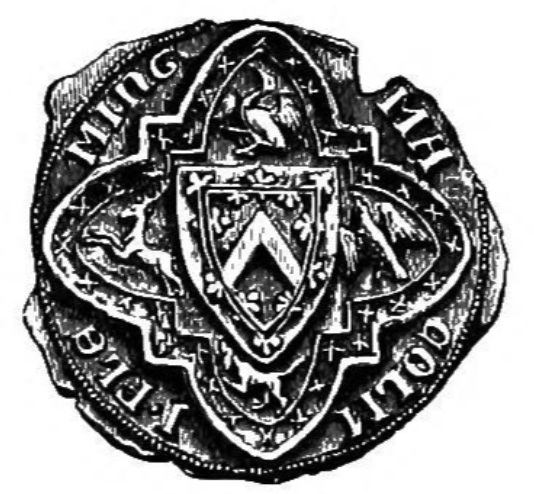
1344 arms of Malcolm I Fleming Earl of Wigtown

Detailed biography
For a detailed biography of Malcolm ("the Good") Fleming, of Fulwood, 1st Earl of Wigtown, click here.
Birth
Parents
| Father | Robert ("the Legend") Fleming (b. circa 1260, d. before 1308) |
| Mother | FirstWife (b. circa 1260, d. before 1292) |
Family life
Malcolm ("the Good") Fleming, of Fulwood, 1st Earl of Wigtown, and Marjory the Queen's nurse, foster-mother to King David II, Countess of Wigtown, were married circa 1312 in Biggar.3
Children with Marjory the Queen's nurse, foster-mother to King David II, Countess of Wigtown, (b. circa 1290, d. before 7 July 1361)
| Daughter | Mary Fleming+ (b. circa 1312) |
| Son | John Fleming+ (b. circa 1313, d. before September 1351) |
| Daughter | Marjory Fleming (b. circa 1320, d. after 18 October 1365) |
| Daughter | Evota Fleming (b. circa 1322) |
Residence information
Titles
Malcolm ("the Good") Fleming, of Fulwood, 1st Earl of Wigtown, held the title of was granted Farines, Deall and Rhinns and the whole burgh of Wigtown (WIG) in free earldom by Kind David II for the service of five knights on 9 November 1341 in Farines and Rhinns. See also Wigtown Charter 3.4,5,6,7,2,8,9,10 He held the title of was created Earl of Wigtown by a Royal Charter of King David II on 9 November 1342. The King having returned to Scotland on 4 May 1341, granted a charter to him, on 9 November following, of the lands of Farynes and Rinnys and all the burgh of Wigtown and the royal lands in the sheriffdom thereof, together with the title of EARL OF WIGTOWN to him and the heirsmale of his body. The King further bestowed on him a grant of regality, with power to judge in the four pleas of the Crown. He, as Earl of Wigtown, granted an annualrent of 100 shillings, payable from the lands of Oarse and Bulschalach in Kyleregis to the friars preachers of St. Katherine of Ayr, for the benefit of his soul and the souls of his parents, and a further charter of six merks annually for support of one friar officiating as priest in the chapel of the said friars on 6 July 1344. His seal, which is attached thereto, bears a chevron within a double tressure.2,11,12
Working life
- Before 1308 Malcolm ("the Good") Fleming, of Fulwood, 1st Earl of Wigtown, was occupied as Sheriff of Dunbarton.13,14,15
- He served in the military as fought with the army of Robert the Bruce between 23 June 1314 and 24 June 1314 in Bannockburn.16,17
- In 1316 Malcolm ("the Good") Fleming, of Fulwood, 1st Earl of Wigtown, was occupied as Sheriff of Dunbartonshire and Governor of Dunbarton Castle in Dunbartonshire.17,2
- Circa 1321 Malcolm ("the Good") Fleming, of Fulwood, 1st Earl of Wigtown, was occupied as foster-father to Robert Stewart, the future King Robert II.18
- On 4 June 1323 Malcolm ("the Good") Fleming, of Fulwood, 1st Earl of Wigtown, was occupied as militibus.19
- In 1327 Malcolm ("the Good") Fleming, of Fulwood, 1st Earl of Wigtown, was occupied as bailie for the Earldom of Carrick in Carrick. He collected 430/-/- as bailie for Carrick in 1327.
🧾 Malcolm Fleming as Bailie of Carrick🔹 Source
•
F.C. Hunter Blair, Charters of the Abbey of Crosraguel, vol. I (1886), p. xxixView on Internet Archive🔹 Title: Bailie of the Earldom of Carrick
•
Function: Judicial and administrative officer, often overseeing baronial courts and enforcing feudal obligations
•
Context: Likely concurrent with or preceding his role as steward and factor (RRS Robert I, Charter 553)🧭 Administrative Footprint in Carrick
Year
Title
Source
Role
1328–1329
Steward of royal household
PoMS
Oversight of David II’s household
1330
Steward and factor of Carrick
RRS Robert I, Charter 553
Administering lands and revenues
c.1330
Bailie of Carrick
Crosraguel Charters, vol. I, p. xxix
Judicial and feudal enforcement
1341
Earl of Wigtown
Royal charter
Reward for loyalty and service 🧭 Interpretation
Malcolm Fleming’s dual role as bailie and steward suggests:
•
A comprehensive administrative mandate over Carrick
•
Likely involvement in monastic affairs, given Crosraguel’s location and landholdings
•
A Bruce-aligned governance structure, consolidating royal authority in southwest Scotland
📜 Malcolm Fleming in Crosraguel Abbey Charters🔹 Source Overview
•
F.C. Hunter Blair, Charters of the Abbey of Crosraguel, vol. I (1886), p. xxixView on Internet Archive
•
Fleming is described as bailie of the Earldom of Carrick, a role involving judicial and administrative oversight of abbey lands and tenants.🧾 Key Mentions and Functions1. Bailie of Carrick
•
Fleming’s title as bailie placed him in charge of enforcing feudal obligations, presiding over baronial courts, and protecting ecclesiastical holdings.
•
Crosraguel Abbey, located in Carrick, had extensive lands requiring secular oversight.2. Land Transactions and Confirmations
•
While specific charters naming Fleming directly are sparse in the published volume, his role would have included:
o
Witnessing grants to the abbey
o
Confirming tenurial rights of abbey vassals
o
Managing disputes over land and rents3. Overlap with Stewardship
•
In RRS Robert I, Charter 553 (1330), Fleming is named steward and factor of Carrick.
•
His dual role as bailie and steward suggests comprehensive control over both secular and ecclesiastical administration.🧭 Supplementary Evidence🔹 Registrum Magni Sigilli (RMS)
•
RMS Vol. I, Charter 565 and Appendix 2, Charter 565 confirm Cristine Flemyng (likely his wife or daughter) in lands of Mortoun.
•
These charters reflect Fleming family influence in Carrick and may have been administered or witnessed by Malcolm himself.🔹 PoMS Database
•
Fleming appears in charters issued from Carrick and Dumbarton, often as a witness or royal agent.
•
His presence in ecclesiastical charters suggests close ties to monastic institutions.🧬 Administrative Timeline
Year
Title
Source
Role
c.1328–1329
Steward of royal household
PoMS
Oversight of David II’s household
1330
Steward and factor of Carrick
RRS Robert I, Charter 553
Administering lands and revenues
c.1330
Bailie of Carrick
Crosraguel Charters, vol. I, p. xxix
Judicial and feudal enforcement
1341
Earl of Wigtown
Royal charter
Reward for loyalty and service20 - On 14 January 1327 Malcolm ("the Good") Fleming, of Fulwood, 1st Earl of Wigtown, was occupied as militibus.21,22
- Before February 1327 Malcolm ("the Good") Fleming, of Fulwood, 1st Earl of Wigtown, was occupied as was appointed Sheriff of Dunbartonshire and Governor of Dumbarton Castle by King Robert I at Dumbarton Castle in Dunbartonshire. Both positions had previously been held by Malcolm, earl of Lennox, a staunch Bruce loyalist, who lived until 1333. Superseding his as Sheriff in favour of Malcolm Fleming cost the king 500 merks pa for Lennox's loss of office, a cost which Oram notes "underscores Fleming's political capital at this time". The lands that came with the job, along with his holdings at Kirkintilloch, made him a neighbour of the Stewart's lordship of Renfrew, meaning he was courted by that family. Fleming's annual salary as Governor of Dumbarton Castle was 100 merks.2,23,24,25,26
- Between 20 February 1328 and June 1329 Malcolm ("the Good") Fleming, of Fulwood, 1st Earl of Wigtown, was occupied as steward of the royal household.27,28,22
- In 1329 Malcolm ("the Good") Fleming, of Fulwood, 1st Earl of Wigtown, was occupied as as master of the king's household he accounted for 226/13/4. He is also mentioned in these accounts in relation to supplies of bread, salmon, leather, almonds and sugar.29,30
- In 1329 Malcolm ("the Good") Fleming, of Fulwood, 1st Earl of Wigtown, was occupied as sheriff of Dunbartonshire in Dunbarton.31
- In 1329 Malcolm ("the Good") Fleming, of Fulwood, 1st Earl of Wigtown, was occupied as Steward of the Earldom of Carrick in Carrick. Mentions on pages 48, 55, 61, 64, 65, 67, 68, 74.32
- In 1330 Malcolm ("the Good") Fleming, of Fulwood, 1st Earl of Wigtown, was occupied as accounted for 33/6/8 for Newbattle Abbey in Newbattle Monastery.33,34,35
- In 1330 Malcolm ("the Good") Fleming, of Fulwood, 1st Earl of Wigtown, was occupied as as master of the king's household he accounted for costs totalling 666 pounds 13 shillings and 4 pence.36,37
- In 1330 Malcolm ("the Good") Fleming, of Fulwood, 1st Earl of Wigtown, was occupied as steward and factor in for the Earldom of Carrick. He accounted for 40/-/-38,27,39,33
- Circa 1331 Malcolm ("the Good") Fleming, of Fulwood, 1st Earl of Wigtown, was occupied as Laird of Achndenein in Auchendennan.40
- In 1331 Malcolm ("the Good") Fleming, of Fulwood, 1st Earl of Wigtown, was occupied as Chamberlain of the King's household.41
- On 11 August 1332 Malcolm ("the Good") Fleming, of Fulwood, 1st Earl of Wigtown, was occupied as was tasked by the Governor of Scotland with the tuition of the young King David II and his Royal Consort. He is sometimes referred to as foster-father to King David II.2,42
- He served in the military as was in the second division at the Battle of Halidon Hill, but was one of the few who escaped on 19 July 1333 in Halidon Hill. Hunter-
Fourteen thousand warriors, including a number of the nobility, were laid lifeless on the field. Fleming was fortunate enough to escape, and fled to his strong Castle of Dumbarton. Edward overran the country, appointed sheriffs, garrisoned castles, and managed all matters as if Scotland had been thoroughly and irretrievably subdued, and had become an integral part of England. Fleming, therefore, began to suspect that Dumbarton Castle might not be strong enough to protect the King and Queen ; and on this account he privately conveyed them to France, where they remained for eight years. They returned to Scotland on the 4th of May 1341, when their interests in Scotland had begun to be again in the ascendant.23,43,9 - He served in the military as held out against English forces while harbouring the king and his consort on 20 July 1333 in Dumbarton Castle. Throwch all Scotland brade and wyde All worthyd Inglis men in that tyde, Owttane foure castellis, and a pelle; Thare namys sal I tell yow welle. Dwnbrettane wes the pryncypalle, For thiddyrwart repayryd hale The folk, that yharnyd till ly ve frely : Schyr Malcolme Flemyng the worthy Off that eastelle wes capytane. Syne wes Lochlevyn, quharoff Alane The Vypownt Lord wes and ledere, That governyd hym welle in all that were. The thryd eastelle was Kyldrwmy, That Dame Crystyane the Brws stowtly Held wyth knychtis and sqwyeris, That reddyt abowt thame welle thare merys. Syne Wrqwarde wes the ferd castell, The qwhilk Schyr Robert kepyt welle Off Lawedyr, that wes worthy, And dawntyd hys nychtbowris, that war hym by. The pele wes syne in to Lowchdwne, That kepyt than Jhon Thomas-swn Wyth few men : for till assay It weille, fere owt [was] off thare way.44,45,2,46
- On 20 November 1333 Malcolm ("the Good") Fleming, of Fulwood, 1st Earl of Wigtown, was occupied as Ambassador in England. He had a safe-conduct from Edward in. to come into England on the King's business on 20 November 133323
- He served in the military as maintained a secure fortress while protecting Prince Robert (Lord High Steward of Scotland) who was afterward King Robert II circa 1334 at Dumbarton Castle in Dunbartonshire. In all this tyme, that thai thus ferd, The Stwart off Scotland than Eoberd, That than wes yhowng (forowtyn were Off elde he passyd noucht sewyntene yhere) In hydlys wes than in Eothsay : And in the tyme that he thare lay, Jhon Gybbownsone, that wes [a] gud man, And Willame Heryot, that wes than Duelland in till the Barowny, Tretyd and wrowcht sa wyttyly, That in ane evynnyng in a bate Fra Eothisay thai held the gate Till Inwerkype, qwhare hors thame met. That ilk nycht, but langare let, Wyth twa men, that his charterys bare, And a chawmbyr boy wythowtyn mare, This Stwart Eobert held hys way Till Uvyrcumnok, and or day A lytill kobill thare thai mete, And had thame owre, but langere lete, To the Castell off Dwnbertane, Qwhare he wyth gud will in wes tane. Schyr Malcolme Flemyng the worthy Thare tretyd hym all tyme honorably.2,47,48,2
- Circa 1341 Malcolm ("the Good") Fleming, of Fulwood, 1st Earl of Wigtown, was occupied as keeper of Dunbarton Castle in Dunbarton Castle.49
- On 17 June 1341 Malcolm ("the Good") Fleming, of Fulwood, 1st Earl of Wigtown, was occupied as militibus (knight) in Arbroath.50
- On 20 June 1341 Malcolm ("the Good") Fleming, of Fulwood, 1st Earl of Wigtown, was occupied as militi.51
- In 1342 Malcolm ("the Good") Fleming, of Fulwood, 1st Earl of Wigtown, was occupied as Governor on a yearly salary of 100 merks at Dumbarton Castle in Dunbartonshire. He was also "satisfied by" the firmament of Cadiov ands relief of the king's dues from the viscounty of Lanark.23,52,53
- On 6 November 1343 Malcolm ("the Good") Fleming, of Fulwood, 1st Earl of Wigtown, was occupied as the King's esquire.23,54
- He witnessed the occupation of Patrick ("Sheriff of Peebles") Fleming, of Biggar, on 8 September 1346 as a Sheriff of Tweedale (i.e. Peebles) in Tweedale.55,56,2,17
- Malcolm ("the Good") Fleming, of Fulwood, 1st Earl of Wigtown, served in the military as was taken prisoner, along with the King, at the Battle of Neville's Cross on 17 October 1346 at Neville's Cross in Durham. He was taken prisoner at the Battle of Durham on 17 October 1346, and was committed to Robert Bertram, Sheriff of Northumberland to keep in safe custody in the castle of Newcastle until he should be transferred to the Tower of London,4 but he had made good his escape before 2 May 1347, on which date a warrant for Bertram's arrest was issued for his contempt in allowing Malcolm to escape from his custody.
Hunter p 476 -
The Scottish king, therefore, summoned his subjects to repair to his standard at Perth ; and thither accordingly went Malcolm Fleming, now Earl of Wigton, his cousin, Sir Malcolm Fleming of Biggar, and their relatives and retainers, to devote their energies and their lives to the service of their sovereign. The Scots, under the command of the King himself, marched to the borders ; and rashly supposing that, as Edward III. was in person carrying on the war in France, the English would be incapable of making any defence, they crossed the border, and ravaged the country as far as Durham. The English, however soon assembled an army of 30,000 men, and advanced to meet the Scots, who were encamped at Bear Park in the neighbourhood of that town. An obstinate engagement took place between the two armies, when the Scots were defeated, and lost 15,000 men. Among the prisoners were the king, the Earls of Wigton, Fife, Monteith, and Sutherland, Douglas, Knight of Liddesdale, and about fifty other barons and knights, including Sir Malcolm Fleming of Biggar.2,23,12 - He witnessed the military service of Malcolm ("the Reliable") Fleming, of Biggar, on 17 October 1346 at Neville's Cross in Durham.57,58,59,60
- Malcolm ("the Good") Fleming, of Fulwood, 1st Earl of Wigtown, served in the military as was imprisoned in the Tower of London along with David de Brus by Thomas de Rokeby on 15 December 1346 in Tower of London. Lanarkshire - He was taken prisoner at Durham in 1346, by Robert Bertran, in whose custody he remained. Edward IIL, howeyer, addressed a writ to Thomas de Rokeby, ordering him to demand the prisoner from Bertram, and transmit him at once to die Tower of London. Bertram, either fearing that the conditions of his surrender might not be observed, or having made some private arrangements with Fleming, permitted the latter to escapa This 61,62,63,59
- In 1353 Malcolm ("the Good") Fleming, of Fulwood, 1st Earl of Wigtown, was occupied as lost the governorship to an adherent of Robert Stewart in Dumbarton Castle.64
- 65
- 66,67,68,69,70,71
Property
Malcolm ("the Good") Fleming, of Fulwood, 1st Earl of Wigtown, possessed loaned 200 merks sterling to Sir Thomas Moreham (mortgagor) for a mortgage over all the lands of Sichmore in the tenement of Dunipace on 28 October 1314 in Sichmore.72 He possessed recieved a grant of lands at Auchendennan (Dunbartonshire) and Poulton (Wigtownshire) from King Robert I circa 1316 in Auchendennan.2,73,74,75,76,17 He possessed was granted ownership ratification by King Robert I in the land of Kirkintolach, previously owned by John Comyn soldier circa 1316 in Kirkintilloch.77,78,79,17,16,18,80 He possessed was granted ownership ratification by King Robert I in the lands of Poltoun in Wigtown circa 1316 in Poulton, Wigtownshire.81,82,2 He possessed acquired Achindounan from Malcolm Beg Drummond circa 1316 in Auchendennan.83,84 He possessed was granted (by Walter, Lord High Steward of Scotland) an annuity payable to him by the Abbot and Convent of Hollyrood House out of the Barony of Carse on 19 May 1321 in Carse.2,23,17 He possessed gave an acre of land in the Burgh of Dunbarton to the monks of Newbattle Abbey before 1329 at one acre of land in Dunbarton.40,85,86 He possessed recieved a grant of the lands of Poltoun in Wigtownshire from King Robert I before 1329 in Poulton, Wigtownshire.81,59 He possessed was granted ratification by King David II in his Earldom of Wigtown after 1329 in Earldom of Wigtown.87 He possessed gave, as Laird of Achyndenein at Loch Lomond, a carta-confirmation of an investment of the Isle of Inch-Kalleche in the loch to John Danielstane circa 1331 in Isle of Inchcaillock, Loch Lomond.40 He possessed was ordered by king Edward III to surrender his messuage at Berwick to Alan de Langton on 4 March 1334 in Berwick.88 He possessed was ordered by king Edward III to surrender his 25 acres at Bodyngton to Robert de Pontrefact aka Robert de Lacy on 4 March 1334 in Bodyngton.88 He possessed had his former lands at Caldwell granted to Henry de Percy by King Edward Baillol on 5 September 1334 in Caldwell in Renfrewshire.4 He possessed granted 100 shillings annually and the land of Duppolle within the fields of the burgh of Axe to the Dominican Friars of Ayr in support of the chapel of Blessed Mary built by the said earl for his own sould and the souls of his parents on 3 May 1336 at Dominican Friary of St Katherine in Ayr in Chapel of the Blessed Mary.89,90,91 He possessed granted an annual pension of 20 pounds to Brother John Carpenter of the Order of Friars Minor circa 1341 in Dumbarton Castle.4,92,49 He possessed had a charter from King David II for the lands of Sythebeger in Lenzie that Thomas Balcasky had forfeited after May 1341 in Sythboger in Lenzie.93 He possessed was granted the baronies of Lenzie, Kilmaronock and Dalziel in free warren on 20 June 1341 in Lenzie and Kilmaronock and Dalziel.4,51 He possessed exchanged his lands of Mochrum which the King had formerly given him for the lands of Kerdones (Cardoness) in Galloway on 13 June 1342.23,4,94,95,96 He possessed was granted (or ratified in) the lands of Lenzie, Kilmarnock and Dalliel in free warren, the lands of Rinnes of Wigtown and the lands of Sithboger in the barony of Lenzie forfeited by Thomas Balcasky on 13 June 1342 in Farines and Rhinns.23,97,7,98,99 He possessed granted to the friars preachers of St Katherine of Ayr for the benefit of his sould and those of his parents an annualrent of 100 shillings payable from the lands of Carse and Bulschalach on 6 July 1344 in Carse and Bulschalach.100,101 He possessed had a charter of these lands valued at 5 merks circa 1346 in Carmnole and Knoclucbirvan.2323,65,102,7123,65,103,71,104,105,106 He possessed granted his land at Kyllinsith in Dunbartonshire to Robert de la Vall circa 1357 at Dunbartonshire in Kyllinsith.23,107,71,4 He possessed granted his land at Hallys and Letbernard in Edinburghshire to Robert Dumbarton, Clerk of the Register circa 1357 at Edinburghshire in Hallys and Letbernard.23,108,71 He possessed granted a charter to the Abbey of Glenluce of the 5 merk land of Carnmole and Knoclucbirvan within the earldom of Wigtown circa 1357 in Carnmole and Knoclucbirvan.109,66,71 He possessed must have resigned the barony of Lenzie into the king's hand because it was then granted to Malcolm Fleming of Biggar before 11 January 1357 in Barony of Lenzie.110 He possessed granted to his kinsman Malcolm Fleming of Biggar Auchmoir previously mortgaged by the late Sir Thomas Moreham in 1314 on 18 April 1357 in Auchmoir.111,112,59,60,113 He possessed received a grant of confirmation from King David in January 1358 in Carnesmoel or Kirkinner in the Machars and Knock of Luce near Glenluce.66 He possessed had resigned this land into the hands of the king in 1359 in Kilcadzow.114 He possessed After his death, King David granted a confirmation of the late Malcolm's former estate at Kilsyth to Robert de la Valle on 13 October 1362 in Kilsyth.4
He possessed had a charter of these lands valued at 5 merks circa 1346 in Carmnole and Knoclucbirvan.2323,65,102,7123,65,103,71,104,105,106 He possessed granted his land at Kyllinsith in Dunbartonshire to Robert de la Vall circa 1357 at Dunbartonshire in Kyllinsith.23,107,71,4 He possessed granted his land at Hallys and Letbernard in Edinburghshire to Robert Dumbarton, Clerk of the Register circa 1357 at Edinburghshire in Hallys and Letbernard.23,108,71 He possessed granted a charter to the Abbey of Glenluce of the 5 merk land of Carnmole and Knoclucbirvan within the earldom of Wigtown circa 1357 in Carnmole and Knoclucbirvan.109,66,71 He possessed must have resigned the barony of Lenzie into the king's hand because it was then granted to Malcolm Fleming of Biggar before 11 January 1357 in Barony of Lenzie.110 He possessed granted to his kinsman Malcolm Fleming of Biggar Auchmoir previously mortgaged by the late Sir Thomas Moreham in 1314 on 18 April 1357 in Auchmoir.111,112,59,60,113 He possessed received a grant of confirmation from King David in January 1358 in Carnesmoel or Kirkinner in the Machars and Knock of Luce near Glenluce.66 He possessed had resigned this land into the hands of the king in 1359 in Kilcadzow.114 He possessed After his death, King David granted a confirmation of the late Malcolm's former estate at Kilsyth to Robert de la Valle on 13 October 1362 in Kilsyth.4 Death
Malcolm ("the Good") Fleming, of Fulwood, 1st Earl of Wigtown, died before 11 January 1358.2,115,71,4,66 He was buried after 11 January 1358 at Dominican Friary of St Katherine in Ayr in Chapel of the Blessed Mary.116,89 He had his estate probated after January 1358 in all his estates.
Citations
- [S34] J Arnold Fleming, Flemish Influence in Britain, vol 2, p13-19, Baldwin Fleming
- [S21] George Crawford, The Peerage of Scotland, p 491-499, Fleming, Earl of Wigtown
- [S23] Peter Barns-Graham, Peter Barns-Graham, "Families Database," pedigrees, Stirnet Limited, Families Database (https://www.stirnet.com/: accessed ), ., downloaded; 2000; Fleming of Boghall and Wigtown at https://www.stirnet.com/genie/data/british/ff/fleming01.php
- [S32] Various contributors, Various contributors, "People of Medieval Scotland," database, Universities of Glasgow and Edinburgh et al, People of Medieval Scotland (https://poms.ac.uk/: accessed ), ., online; 26 November 2023; Document 1/54/319 (RMS, i, no. 108)

- [S32] Various contributors, Various contributors, "People of Medieval Scotland," database, Universities of Glasgow and Edinburgh et al, People of Medieval Scotland (https://poms.ac.uk/: accessed ), ., online; 30 November 2023; Document 1/54/32 (RRS, vi, no. 39), Gift of earldom of Wigtown (WIG) at https://poms.ac.uk/record/source/10189/
- [S39] Bruce Webster, Regesta Regum Scottorum, The Acts of David II, King Of Scots 1329-1371, p 85 charter 39
- [S43] Scotland Court of Exchequer, Registrum Magni Sigilli Regum Scotorum, vol i, 1306-1424, app 2, ch 869
- [S60] Bernard Burke, A Genealogical History of the Dormant, Abeyant, Forfeited and Extinct Peerages of the British Empire, Fleming, Earl of Wigton, p 218-19
- [S5] William Hunter, Biggar and the House of Fleming, p 474
- [S17] Francis J Grant (Ed), Charter Chest of the Earldom of Wigtown, Charter 3
- [S43] Scotland Court of Exchequer, Registrum Magni Sigilli Regum Scotorum, vol i, 1306-1424, app i, ch 119
- [S54] John of Fordun, Chronica gentis Scotorum, vol ii, annal clxv, p 358
- [S100] Alexander Campbell, Cartularium comitatus de Levenax, p 23-24
- [S137] William Fraser, The Chiefs of Colquhoun, vol i, p 19-20
- [S137] William Fraser, The Chiefs of Colquhoun, vol ii, p 273-274
- [S34] J Arnold Fleming, Flemish Influence in Britain, vol 2, p 35
- [S5] William Hunter, Biggar and the House of Fleming, p 470
- [S41] Richard Oram, The making and breaking of a comital family, p 4-5
- [S38] Archibald Duncan, Regesta Regum Scottorum, The Acts of Robert I, King Of Scots 1306-1329, p 499 charter 231
- [S133] FC Hunter Blair, Charters of the Abbey of Crosraguel, vol i, p xxix
- [S38] Archibald Duncan, Regesta Regum Scottorum, The Acts of Robert I, King Of Scots 1306-1329, p 569 charter 313
- [S133] FC Hunter Blair, Charters of the Abbey of Crosraguel, vol i, p 18-19
- [S28] Sir James Balfour Paul, The Scots Peerage, vol viii, Fleming Earl of Wigtown pages 519 - 558
- [S38] Archibald Duncan, Regesta Regum Scottorum, The Acts of Robert I, King Of Scots 1306-1329, p 112
- [S41] Richard Oram, The making and breaking of a comital family, p6
- [S44] Scotland Court of Exchequer, Rotuli scaccarii regum Scotorum, vol 1, p clxvii
- [S41] Richard Oram, The making and breaking of a comital family, p8
- [S83] George Vere Irving, The upper ward of Lanarkshire described and delineated, vol i, p 307
- [S107] Thomas Thomson, The accounts of the great chamberlains of Scotland, vol i, p 136
- [S107] Thomas Thomson, The accounts of the great chamberlains of Scotland, vol i, p 147-160
- [S107] Thomas Thomson, The accounts of the great chamberlains of Scotland, vol i, p 159-60
- [S107] Thomas Thomson, The accounts of the great chamberlains of Scotland, vol i, p 48-74
- [S107] Thomas Thomson, The accounts of the great chamberlains of Scotland, vol i, p 172
- [S107] Thomas Thomson, The accounts of the great chamberlains of Scotland, vol i, p 201
- [S107] Thomas Thomson, The accounts of the great chamberlains of Scotland, vol i, p 185
- [S44] Scotland Court of Exchequer, Rotuli scaccarii regum Scotorum, vol 1, p 339
- [S107] Thomas Thomson, The accounts of the great chamberlains of Scotland, vol i, p 198 and more
- [S38] Archibald Duncan, Regesta Regum Scottorum, The Acts of Robert I, King Of Scots 1306-1329, p 689 charter 553
- [S44] Scotland Court of Exchequer, Rotuli scaccarii regum Scotorum, vol 1, p cx
- [S34] J Arnold Fleming, Flemish Influence in Britain, vol 2, p 99-100
- [S107] Thomas Thomson, The accounts of the great chamberlains of Scotland, vol i, p 233
- [S2] Various contributors, Various contributors, "Wikipaedia," database, Commons, Wikipaedia (https://en.wikipedia.org/wiki/: accessed ), ., online; 11 November 2023; Malcolm Fleming, Earl of Wigtown at https://en.wikipedia.org/wiki/Malcolm_Fleming,_Earl_of_Wigtown
- [S44] Scotland Court of Exchequer, Rotuli scaccarii regum Scotorum, vol 1, p clviii
- [S52] Andrew of Wyntoun, The orygynale cronykil of Scotland, book viii, ch xxvii, p 404, lines 4000 - end
- [S51] Raphael Holinshed, Holinshed's Chronicle, Scotland, vol v, p 371, https://archive.org/details/chroniclesofengl05holiuoft/page/371/mode/2up
- [S5] William Hunter, Biggar and the House of Fleming, p 473
- [S52] Andrew of Wyntoun, The orygynale cronykil of Scotland, book viii, ch xxviii, p 408, lines 4125 - end
- [S51] Raphael Holinshed, Holinshed's Chronicle, Scotland, vol v, p 372, https://archive.org/details/chroniclesofengl05holiuoft/page/372/mode/2up
- [S43] Scotland Court of Exchequer, Registrum Magni Sigilli Regum Scotorum, vol i, 1306-1424, app 1, ch 112
- [S116] Cosmo Innes and Patrick Chalmers, Liber S. Thome de Aberbrothoc. Registrorum Abbacie de Aberbrothoc, vol ii, Appendix, ch IX, p 541
- [S39] Bruce Webster, Regesta Regum Scottorum, The Acts of David II, King Of Scots 1329-1371, p 78 charter 30
- [S44] Scotland Court of Exchequer, Rotuli scaccarii regum Scotorum, vol 1, p 508
- [S107] Thomas Thomson, The accounts of the great chamberlains of Scotland, vol i, p 279
- [S39] Bruce Webster, Regesta Regum Scottorum, The Acts of David II, King Of Scots 1329-1371, p 44 Appendix item 3
- [S32] Various contributors, Various contributors, "People of Medieval Scotland," database, Universities of Glasgow and Edinburgh et al, People of Medieval Scotland (https://poms.ac.uk/: accessed ), ., online; 26 November 2023; Patrick Fleming, sheriff of Tweeddale at https://poms.ac.uk/record/person/23262/
- [S39] Bruce Webster, Regesta Regum Scottorum, The Acts of David II, King Of Scots 1329-1371, p 139 charter 108
- [S34] J Arnold Fleming, Flemish Influence in Britain, vol 2, p 57
- [S44] Scotland Court of Exchequer, Rotuli scaccarii regum Scotorum, vol 2, p xxxvii-xxxix
- [S83] George Vere Irving, The upper ward of Lanarkshire described and delineated, vol i, p 308
- [S5] William Hunter, Biggar and the House of Fleming, p 478
- [S55] Thomas Rymer, Foedera, vol iii, part i, p 1
- [S55] Thomas Rymer, Foedera, vol iii, part i, p 7
- [S63] D. Macpherson, J. Caley and W. Illingworth, Rotuli Scotiae, p 680-1
- [S41] Richard Oram, The making and breaking of a comital family, p39
- [S41] Richard Oram, The making and breaking of a comital family, downloaded; 13 January 2025; page 40
- [S41] Richard Oram, The making and breaking of a comital family, downloaded; 13 January 2025; page 41
- [S41] Richard Oram, The making and breaking of a comital family, downloaded; 13 January 2025; page 42
- [S55] Thomas Rymer, Foedera, vol iii, part i, p 175-6
- [S55] Thomas Rymer, Foedera, vol iii, part i, p 151
- [S63] D. Macpherson, J. Caley and W. Illingworth, Rotuli Scotiae, p 812
- [S5] William Hunter, Biggar and the House of Fleming, p 477
- [S17] Francis J Grant (Ed), Charter Chest of the Earldom of Wigtown, Charter 626
- [S34] J Arnold Fleming, Flemish Influence in Britain, vol 2, p 36
- [S24] William Robertson, An Index of many Records of Charters granted by different Sovereigns of Scotland, p 8, ch 81, Auchendennan
- [S43] Scotland Court of Exchequer, Registrum Magni Sigilli Regum Scotorum, vol i, 1306-1424, app 2, ch 195
- [S43] Scotland Court of Exchequer, Registrum Magni Sigilli Regum Scotorum, vol i, 1306-1424, ch 81
- [S24] William Robertson, An Index of many Records of Charters granted by different Sovereigns of Scotland, p 8, ch 80, Kirkintilloch, Robert I
- [S43] Scotland Court of Exchequer, Registrum Magni Sigilli Regum Scotorum, vol i, 1306-1424, app 2, ch 194
- [S43] Scotland Court of Exchequer, Registrum Magni Sigilli Regum Scotorum, vol i, 1306-1424, ch 80
- [S32] Various contributors, Various contributors, "People of Medieval Scotland," database, Universities of Glasgow and Edinburgh et al, People of Medieval Scotland (https://poms.ac.uk/: accessed ), ., online; 8 October 2024; Document 1/53/495 (RMS, i, no. 80), Gift of barony of Kirkintilloch (DNB)
- [S24] William Robertson, An Index of many Records of Charters granted by different Sovereigns of Scotland, p 13, ch 96, Poulton, Robert I
- [S43] Scotland Court of Exchequer, Registrum Magni Sigilli Regum Scotorum, vol i, 1306-1424, app 2, ch 325
- [S127] William Drummond, The Genealogy of the Most Noble and Ancient House of Drummond, p 15
- [S43] Scotland Court of Exchequer, Registrum Magni Sigilli Regum Scotorum, vol i, 1306-1424, ch 81
- [S59] Monks of Newbattle Abbey, Registrum S. Marie de Neubotle, 1140-1528, charter 271, p 230-1
- [S64] Cosmos Nelson Innes, Origines Parochiales Scotiae, vol i, p 25
- [S24] William Robertson, An Index of many Records of Charters granted by different Sovereigns of Scotland, p 41, ch 10, Earldom of Wigtown David II
- [S63] D. Macpherson, J. Caley and W. Illingworth, Rotuli Scotiae, p 268-9
- [S142] R W Cochrane-Patrick, Munimenta Fratrum Predicatorum de Are, page 5-6, ch 6
- [S142] R W Cochrane-Patrick, Munimenta Fratrum Predicatorum de Are, page 23-24, ch 15
- [S143] Edited, Edited, "Places," database, Historic Environment Scotland, Trove.scot (: accessed ), ., viewed; 9 August 2025; Ayr, Dominican Monastery, https://www.trove.scot/place/41853
- [S39] Bruce Webster, Regesta Regum Scottorum, The Acts of David II, King Of Scots 1329-1371, p 505 charter 483+
- [S43] Scotland Court of Exchequer, Registrum Magni Sigilli Regum Scotorum, vol i, 1306-1424, app 2, ch 870
- [S39] Bruce Webster, Regesta Regum Scottorum, The Acts of David II, King Of Scots 1329-1371, p 95 charter 52
- [S43] Scotland Court of Exchequer, Registrum Magni Sigilli Regum Scotorum, vol i, 1306-1424, app 2, ch 801
- [S68] KM Brown and others, Records of the Parliaments of Scotland to 1707, 18 Jun 1342, Restenneth, Council, 1342/6/1
- [S43] Scotland Court of Exchequer, Registrum Magni Sigilli Regum Scotorum, vol i, 1306-1424, app 2, ch 738
- [S43] Scotland Court of Exchequer, Registrum Magni Sigilli Regum Scotorum, vol i, 1306-1424, app 2, ch 927
- [S24] William Robertson, An Index of many Records of Charters granted by different Sovereigns of Scotland, p 67, ch 1 and 2 of Peebles
- [S28] Sir James Balfour Paul, The Scots Peerage, p 521
- [S142] R W Cochrane-Patrick, Munimenta Fratrum Predicatorum de Are, page 8-9, ch 8
- [S43] Scotland Court of Exchequer, Registrum Magni Sigilli Regum Scotorum, vol i, 1306-1424, app 2, ch 1144
- [S43] Scotland Court of Exchequer, Registrum Magni Sigilli Regum Scotorum, vol i, 1306-1424, app 2, ch 1190
- [S34] J Arnold Fleming, Flemish Influence in Britain, vol 2, p 101
- [S24] William Robertson, An Index of many Records of Charters granted by different Sovereigns of Scotland, p 30, ch 10, Inchcailloch, David II
- [S64] Cosmos Nelson Innes, Origines Parochiales Scotiae, vol i, p 33
- [S41] Richard Oram, The making and breaking of a comital family, p37
- [S24] William Robertson, An Index of many Records of Charters granted by different Sovereigns of Scotland, p 61, ch 31, Hallys and Letbernard
- [S43] Scotland Court of Exchequer, Registrum Magni Sigilli Regum Scotorum, vol i, 1306-1424, app 2, ch 1148-9
- [S17] Francis J Grant (Ed), Charter Chest of the Earldom of Wigtown, Charter 5
- [S3] Sir Robert Douglas, The peerage of Scotland, Fleming Earl of Wigtown VII
- [S17] Francis J Grant (Ed), Charter Chest of the Earldom of Wigtown, Charter 4
- [S58] Edinburgh, National Records of Scotland, "Online Catalogue," National Records of Scotland (https://catalogue.nrscotland.gov.uk/nrsonlinecatalogue: accessed ), ., viewed; 16 September 2025; RH1/2/122,18 Apr 1356, Malcolm Flemyng, Earl of Wygton and Lord of Leygne, in favour of Malcolm Flemyng Lord of Bygir, of Achmore
- [S107] Thomas Thomson, The accounts of the great chamberlains of Scotland, vol i, p 334
- [S3] Sir Robert Douglas, The peerage of Scotland, Fleming Earl of Wigtown VIII
- [S141] Richard Oram, "Malcolm Fleming: first earl of Wigtown, d before 1363, magnate," Oxford Dictionary of National Biography, Edited (n.p.: Oxford University Press, 2004), ., https://doi.org/10.1093/ref:odnb/9706
| Last Edited | 14 October 2025 |